Adult Acne: Why It Happens and How to Treat It
Acne isn't just a teenage problem. An estimated 15% of women and 3% of men continue to experience acne well into adulthood — and for many, it begins or worsens after 25. Adult acne often concentrates along the jaw and chin and frequently has a hormonal driver.
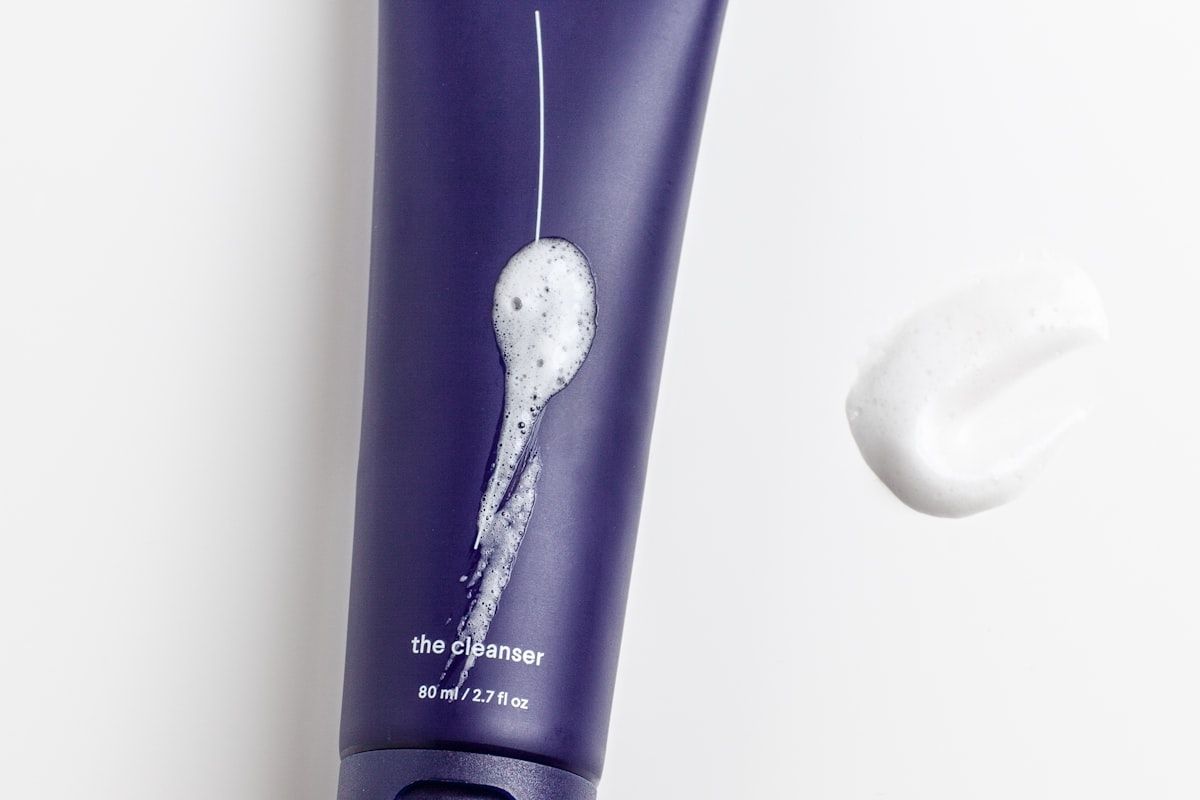
Acne isn't just a teenage problem. An estimated 15% of women and 3% of men continue to experience acne well into adulthood — and for many, it begins or worsens after 25. Adult acne often concentrates along the jaw and chin and frequently has a hormonal driver.
Why adults get acne
Acne forms when oil glands overproduce sebum, which combines with dead skin cells to clog pores. In adults, the key drivers are hormonal fluctuations, stress (cortisol stimulates oil production), diet, certain medications, and occlusive skincare products.
Hormonal acne specifically
Hormonal acne in women typically flares in the week before menstruation. Women with PCOS — who have elevated androgens — often experience persistent jaw/chin acne year-round.
Effective treatments
Topical retinoids (tretinoin, adapalene) are the most evidence-supported treatment. For hormonal acne, spironolactone or appropriate oral contraceptives are highly effective. Oral isotretinoin is reserved for severe, scarring acne.
What doesn't work
Over-the-counter 'acne washes' rarely treat established acne — they can't penetrate deeply enough. Prescription treatment is far more effective than anything available without a prescription.
This content is educational and does not constitute medical advice.
Quick answers
- Why adults get acne
- Acne forms when oil glands overproduce sebum, which combines with dead skin cells to clog pores. In adults, the key drivers are hormonal fluctuations, stress (cortisol stimulates oil production), diet, certain medications, and occlusive skincare products.
- Hormonal acne specifically
- Hormonal acne in women typically flares in the week before menstruation. Women with PCOS — who have elevated androgens — often experience persistent jaw/chin acne year-round.
- Effective treatments
- Topical retinoids (tretinoin, adapalene) are the most evidence-supported treatment. For hormonal acne, spironolactone or appropriate oral contraceptives are highly effective. Oral isotretinoin is reserved for severe, scarring acne.
- What doesn't work
- Over-the-counter 'acne washes' rarely treat established acne — they can't penetrate deeply enough. Prescription treatment is far more effective than anything available without a prescription. This content is educational and does not constitute medical advice.
Medical disclaimer: This article is for educational purposes only and does not constitute medical advice, diagnosis, or treatment. Always consult a qualified healthcare provider before starting any new treatment or making changes to your current care.