Female Hair Loss: Causes, Types, and Treatment Options
Hair loss in women is more common than most people realize — affecting an estimated 40% of women by age 50. Unlike men, women rarely lose hair in a defined pattern. Instead, hair often thins diffusely across the scalp.
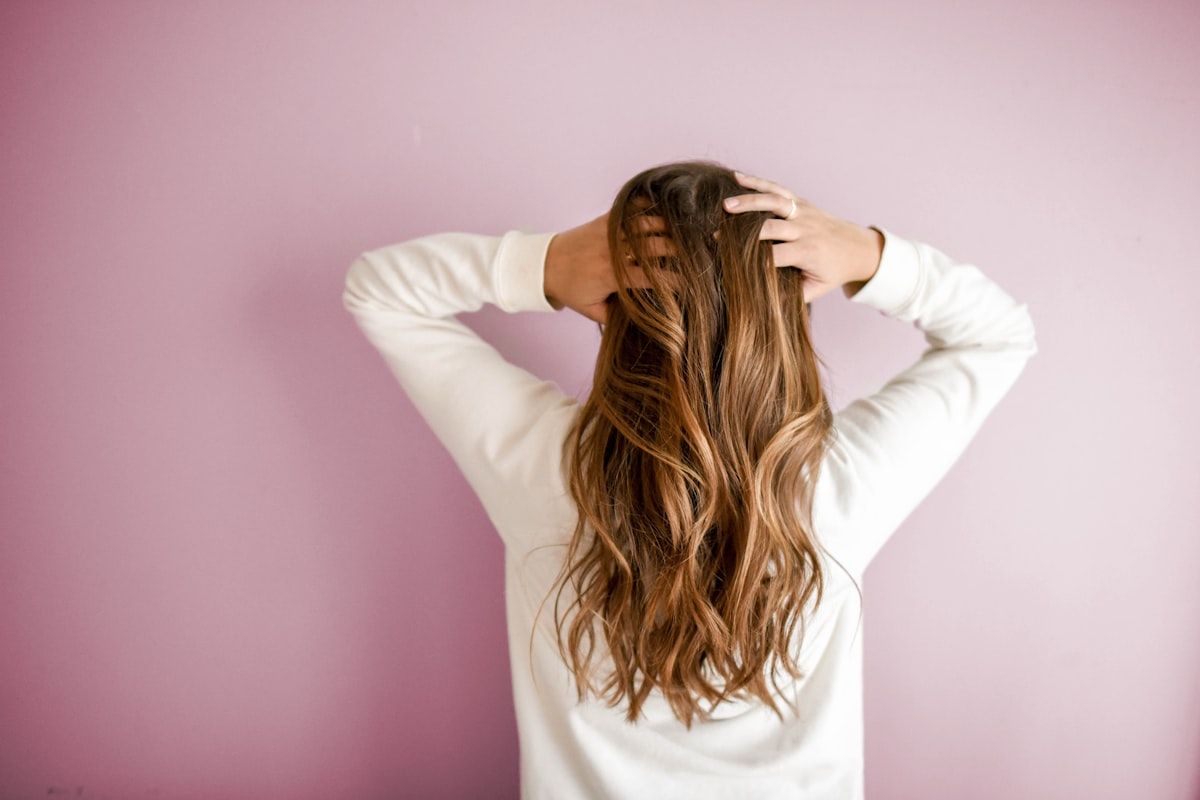
Hair loss in women is more common than most people realize — affecting an estimated 40% of women by age 50. Unlike men, women rarely lose hair in a defined pattern. Instead, hair often thins diffusely across the scalp.
Common causes
Female pattern hair loss (androgenetic alopecia) is the most common cause. Other frequent causes include thyroid dysfunction, iron deficiency, PCOS, postpartum hormonal changes, nutritional deficiencies, and chronic stress (telogen effluvium).
Why diagnosis matters
The right treatment depends heavily on the underlying cause. Thyroid-related hair loss won't respond to DHT blockers. Iron deficiency requires supplementation. A provider should evaluate bloodwork — thyroid panel, iron/ferritin, androgens — before recommending treatment.
Treatment options
Minoxidil (topical or oral) is the most widely used treatment. Spironolactone (an androgen blocker) can be highly effective for women with androgen-driven hair loss. Treating the underlying cause is equally important.
Practical expectations
Hair loss treatments require patience. Significant improvement typically takes 6–12 months. Early intervention generally produces better outcomes.
This content is educational and does not constitute medical advice.
Quick answers
- Common causes
- Female pattern hair loss (androgenetic alopecia) is the most common cause. Other frequent causes include thyroid dysfunction, iron deficiency, PCOS, postpartum hormonal changes, nutritional deficiencies, and chronic stress (telogen effluvium).
- Why diagnosis matters
- The right treatment depends heavily on the underlying cause. Thyroid-related hair loss won't respond to DHT blockers. Iron deficiency requires supplementation. A provider should evaluate bloodwork — thyroid panel, iron/ferritin, androgens — before recommending treatment.
- Treatment options
- Minoxidil (topical or oral) is the most widely used treatment. Spironolactone (an androgen blocker) can be highly effective for women with androgen-driven hair loss. Treating the underlying cause is equally important.
- Practical expectations
- Hair loss treatments require patience. Significant improvement typically takes 6–12 months. Early intervention generally produces better outcomes. This content is educational and does not constitute medical advice.
Medical disclaimer: This article is for educational purposes only and does not constitute medical advice, diagnosis, or treatment. Always consult a qualified healthcare provider before starting any new treatment or making changes to your current care.